Ever tried putting on a pair of shades without actually touching them? That’s Augmented Reality (AR) at work, quietly changing the way people shop, even play, and socialize online.
What was once used to merely amuse people as fun shots made with camera effects is now AR filters; they’re small experiences of telling stories and selling brands.
If you’ve ever seen someone wear foundation on Instagram, dance with 3D text attached to a TikTok video, or transform from dumb-ass normal human into Superhero persona on Snapchat, then that’s an AR filter in action.
So what exactly are they? How do they work? And how can you create a filter that actually achieves results?
What is an AR Filter?
AR filters mix the real and virtual worlds using your phone camera as a bridge.
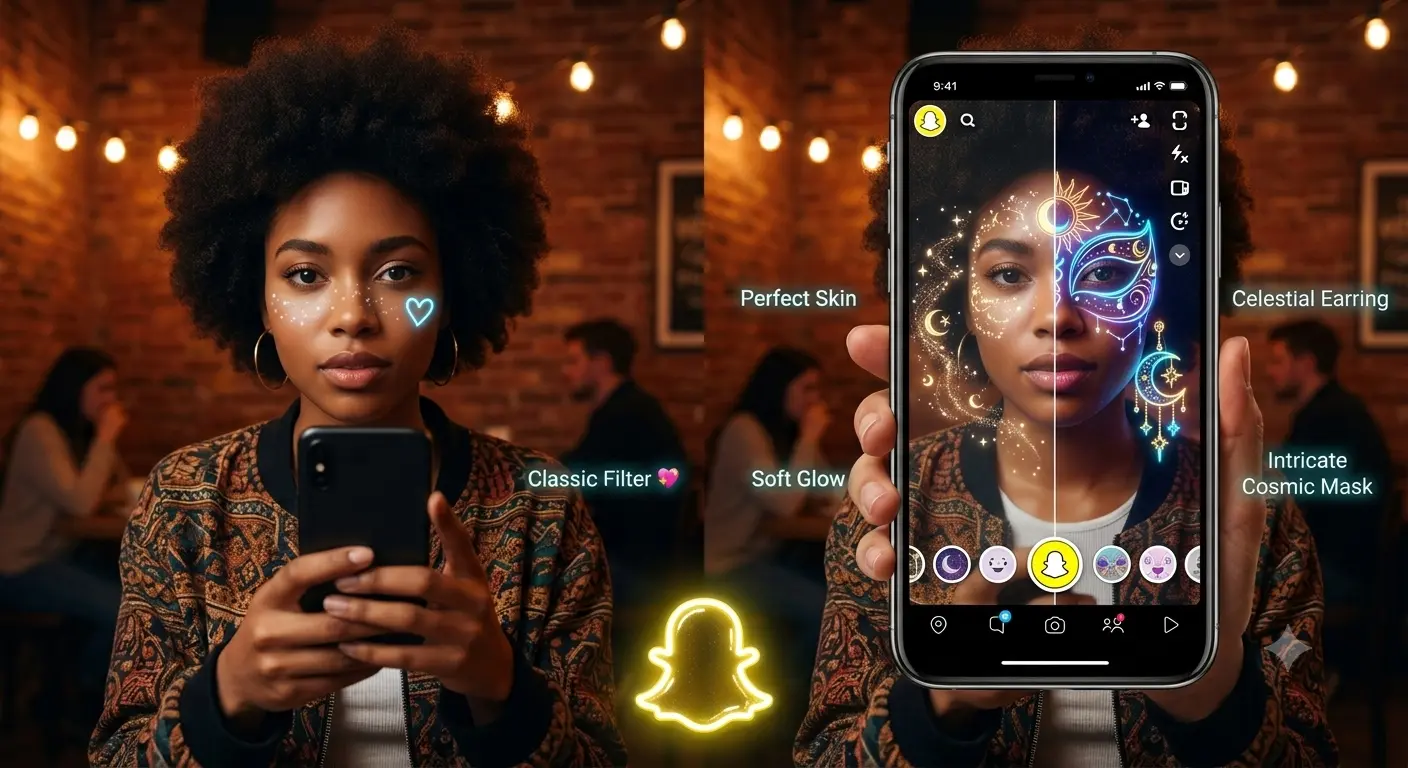
When you open Snapchat or Instagram and virtual objects pop up, whether glasses, twinkles, logos, or even whole 3D scenes, this is called rendering ‘3D content’: your device is mapping your face or environment, then layering digital effects on top of it.
For example, Snapchat AR filters use lens tracking and facial recognition. Instagram AR filters rely on Meta Spark Studio’s face mesh technology. And TikTok’s Effect House leverages computer vision techniques to sense body movements or gestures.
Deloitte (2024): Over 1.4 billion people use AR filters every month. Now that’s a 45 % surge in just two years.
Difference Between AR Filters and VR Effects
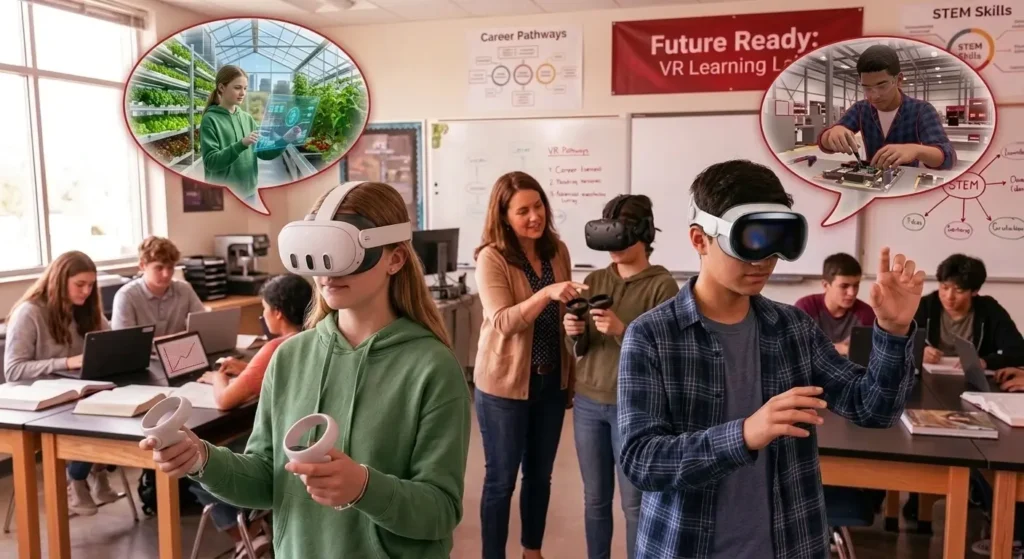
AR is the addition of computer-generated images on input from a regular video camera, whereas VR replaces the natural world with an entire virtual one.
Augmented Reality (AR) filters now leverage your phone’s camera to impose effects on actual scenes, think digital spectacles or having floating text like in augmented reality mode around the room you are sitting in.
In contrast, Virtual Reality (VR) immerses you within a wholly virtual environment where the tangible environment is separated from your senses by some kind of head-mounted display.
Both aim to draw users into a different world, but AR is more real, and after the event, this makes a difference. This is why TikTok, Instagram, and Snapchat are all successful on AR.
How Social Media Platforms Use AR?
They use AR to keep users engaged, filled with creativity and emotion.
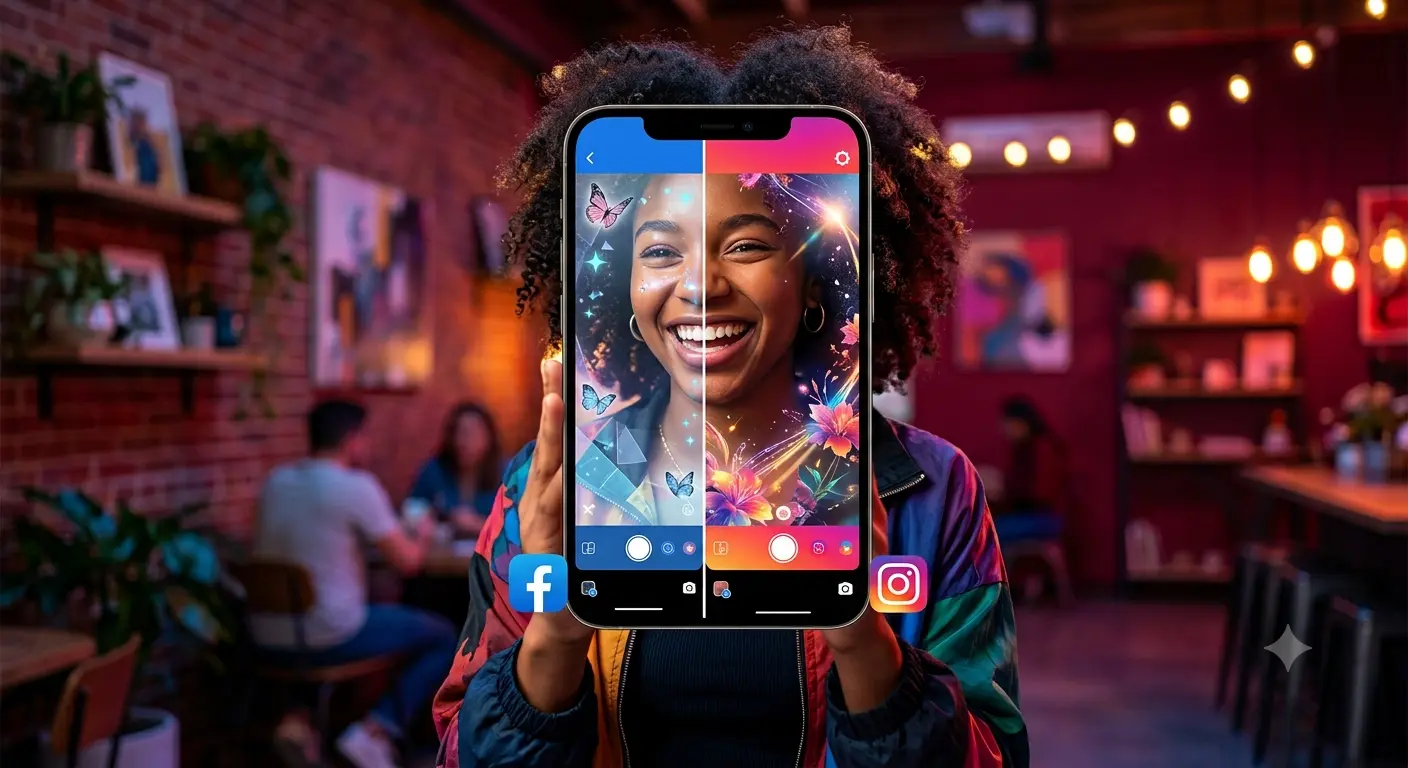
Instagram and Facebook AR Filter
Meta’s Spark Studio runs interactive effects. But these effects, shared by millions of people on Facebook each day through Facebook AR filters and Instagram AR filters, turn out to be story or skill challenges.
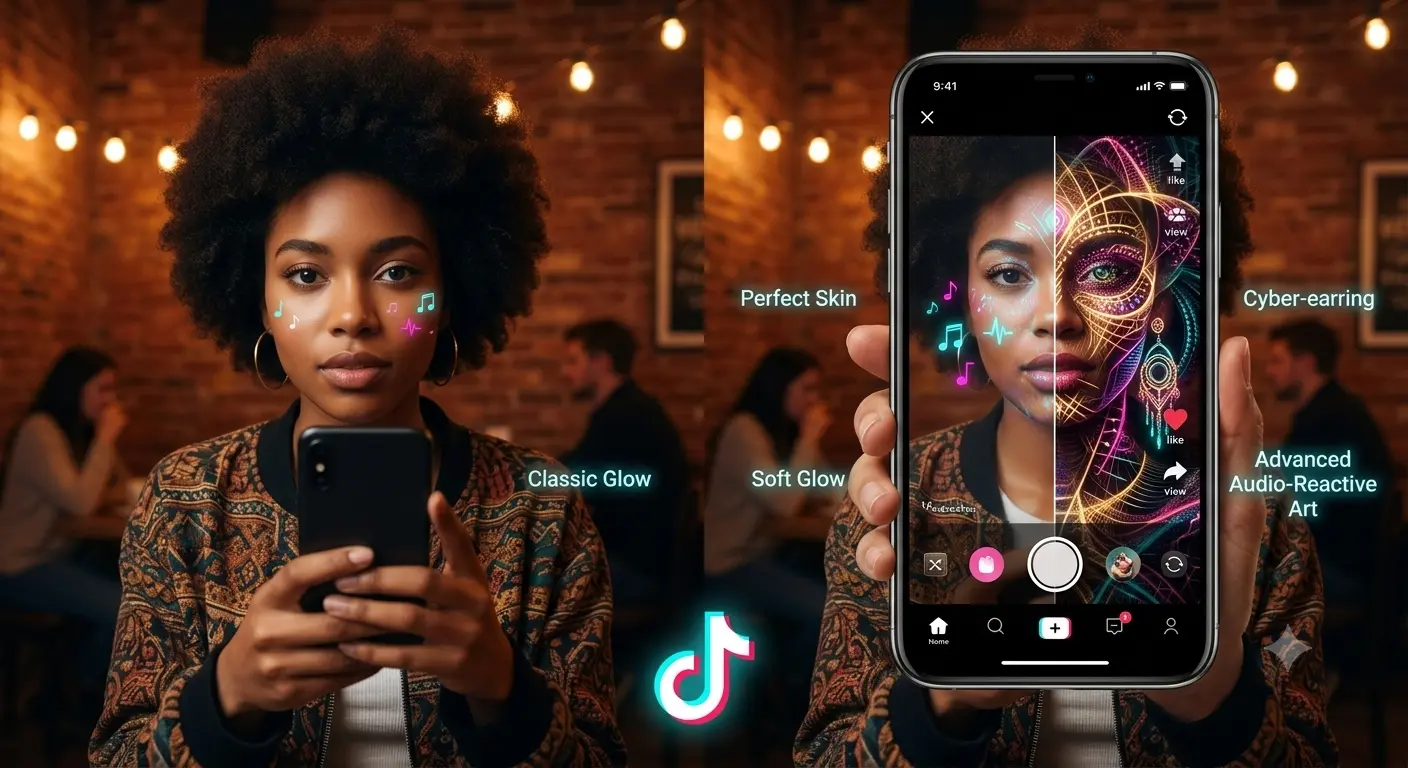
Tiktok AR Filter
The Effect House finally lets creators produce custom effects that harmonize with music and dances. It is tailored for trends that go viral overnight.
Snapchat AR Filter
Snapchat led into AR using Lens Studio over 10 years ago. Today, its lenses even use LiDAR and AI to follow full-body motion plus blend virtual objects with real-world depth.
Fact: More than 250 million Snapchat users each day are experiencing AR, or over half the company’s daily audience.
Why Are AR Filters Important for Modern Marketing?
They make ads more like experiences, no interruptions. Traditional ads talk “to” the world. AR filters let audiences play around with the texts of your ad.
As an image carrying so much scientific appeal, how could we ignore the possibility that AR filters might turn into brands themselves?
How AR Filters Support Brand Growth?
AR filters simultaneously increase awareness, engagement, and recall.
Awareness: Every selfie or share copies your logo unintentionally.
Engagement: Users interact for an average of 15–20 seconds, far more than video ads.
Recall: A study by Meta found that 70 per cent can remember the brands that use AR filters.
For example, Ray-Ban’s virtual try-on campaign led to a 35 percent increase in sales online by letting potential buyers sample their frames first.
The Value of Branded and Custom AR Filters
They make your brand something people can touch, virtually.
Branded AR filters are devised for a campaign or product.
Custom AR filters go further: They match your brand’s style, message, and so on.
Examples:
Dior’s fashion AR filters showcased the Ramadan Collection 2020.
Maybelline’s mascara filter lets users see look now.
McDonald’s ‘ Grimace Shake made the product fun viral by filter.
They do what plain ads cannot. Instead of praying for attention, these ads engage the consumer.
Why Businesses Should Invest in AR Filters?
They offer high impact for low cost. AR filters built in days are cheaper than traditional advertising, and live forever.
During the 2025 Harvard Business Review study, 65% of shoppers told us that their confidence to buy online was increased by AR.
Brands that utilize social media AR filters report up to 300% higher engagement levels than conventional posts.
In conclusion, investing in AR filters is not really a technological experiment anymore. It’s smart, adjustable marketing.
Related: https://sample.noumanmahmood.net/ar-beauty-filters-reality/
How to Create AR Filters: Step-by-Step for Businesses & Creators?
Designing an AR filter is a step-by-step affair. To produce them, you first choose your platform, set the goals, and decide on what shape and colour will not only work best but also meet your objectives as well as your style preferences. Once you have your idea in mind, it’s time to build or modify the template code accordingly and work with programmers to make sure every single detail from start to finish is working together smoothly. Final editing and rendering can sometimes take place abroad.
Here are the details of each step.
Step 1: Choose the Right Platform
When you pick your filter’s platform the right way, you are looking for whether or not your filter will travel.
For those who prefer Facebook and Instagram as a hangout, choose Meta Spark Studio to get started. The Effect House is available to you if your target audience likes TikTok. If Snapchat is to be their network, Lens Studio is the place to knock out a beat.
It’s best to start up wherever your audience already spends their time in social interactions. The platform your subscribers open up every day is the best.
Step 2: Define Your Objective and Target Audience
A good AR filter is for one thing only. Decide ahead of time what success will look like. Before you begin building.
Pose yourself these questions:
Do you want more engagement or product awareness?
Who will use this filter, and what advantages will they have in sharing it?
What would you like them to do after using it?
Scenario in point:
A skin care brand designs an Instagram AR filter that depicts the glow before and after. It aims to increase product trial production and brand mentions. By defining goals in advance, you transform creativity into strategy.
Step 3: Plan and Conceptualize Your Filter
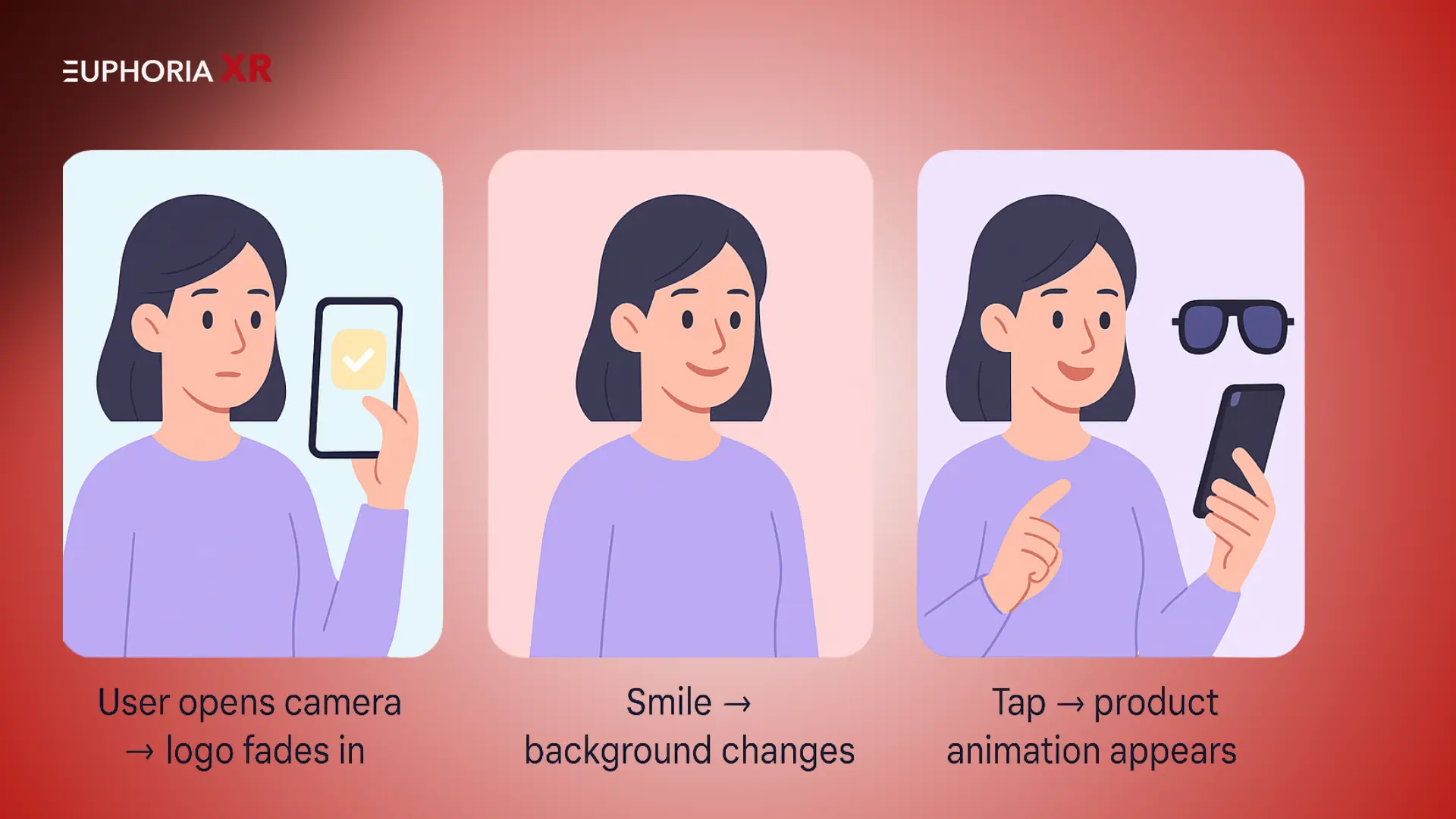
This is when purpose meets fantasy. Sketch the filter’s path: What first appears, what triggers animation in, and how people interact with it.
Step 4: Develop the AR Filter
Once you have decided on the direction of your creativity, begin making its idea into a reality in your chosen medium.
Development checklist:
Import 3D assets or create designs from scratch.
Add triggers such as a blink or head tilt.
Use LiDAR for realistic depth.
Include brand audio or music where relevant.
Each platform comes with pre-made templates, making the process much simpler. Spark Studio supports face tracking. The Effect House helps to synchronize movement with sound. Lens Studio enables real-world mapping and lighting effects.
AR filters with a sense of depth or movement-based interaction enjoy 25 per cent better engagement than static overlays alone (Meta Business Data, 2024).
Step 5: Test and Optimize Across Devices
Test the filter across platforms and see if necessary testing makes sure the filter runs smoothly on all devices.
Checklist for testing:
Test on both the iPhone and Android devices.
Try various lighting conditions.
Check for lag or delayed motions.
Ensure it loads fast from 4G networks and Wi-Fi connections.
If users are experiencing delays, simplify your models or decrease the length of your animation. A filter should load instantly and be seamless to use.
Step 6: Publish and Promote Your AR Filter
Once testing is done, submit your filter for review. Approval takes between one and three days, depending on what platform you are using.
Once your filter has been approved, treat the launch as a campaign.
Ways to promote:
Make a short video showing people how to use the filter.
Add a call-to-action in your captions.
Get influencers to try out and tag your product.
Ask users to post with a branded hashtag.
TikTok filters that have their formula connected to a hashtag challenge receive up to nine times more engagement than those that do not have one
Step 7: Analyze and Improve Campaign Performance
Dashboards help you keep an eye on results once they go live.
Meta’s New Regulations for Instagram & Facebook AR Filters (2025 Update)
For Meta, the updated standards are promised to protect user trust, ensure a clear understanding of AR, and provide an immersive experience that is authentic.
As of now, any face filter or body shape-changing app needs to be clearly marked. Specifically, filter brands should be tagged, mentioning the name of the company that made it.
For end users, this means they will be shielded from unrealistic beauty requirements and deceptive artificial images. For brands, it is tantamount to realizing art and being honest at the same time
Updated Meta Spark Studio Requirements
Meta Spark Studio now has fresh policies in play.
Major Updates:
Label filters that mean up your figure or change the shape of the area around your eyes.
Inform users if your work has used AI-generated elements.
Avoid false or misleading claims regarding beauty or health benefits.
Follow guidelines for copyright and trademark protection.
In upgrading the user experience while making it more ethical, new filters are being installed. Brands that obey Meta’s rules can often get their filter fast-tracked through the approval process, and they enjoy greater exposure.
How To Stay Compliant and Get Approved?
When is a filter alright by Meta’s criteria? It’s easy to get your filter approved then.
To obtain approval:
Use visuals that are out in the world and not artificially deceptive.
Ensure that your logo or trademark stays visible, but never overpowers either image.
If your file is more than 4MB, compress it for a smoother review phase.
Try it out in Spark Player to catch bugs before they aggravate into policy issues.
Meta wants filters to be creative, positive, and in line with community standards. If you follow these steps, your satisfied users will quickly see your brand’s filter arrive live without obstacles.
Best Tools to Create AR Filters in 2025
10 Inspiring Branded AR Filter Campaigns (2025 Showcase)
In 2025, Augmented Reality filters grew to be one of the strongest means of corporate storytelling. They’re being used by companies from luxury brands such as Chanel or tech leaders like Ant Group just to speak to consumers more invisibly, join online audiences, and create genuine brand experiences that people want, actually. Put simply, we love them but don’t realize it because they blend seamlessly into our lives, making themselves invisible to the untrained eye like one of those carbon dioxide molecules imperceptibly going out of solution in an ocean of lactic acid ions (at least that way). Here are ten classic branding strategies taken into the future with innovative technology.
Ray-Ban × Meta
Virtual try-on experiences that show Ray-Ban sunglasses on your actual face in real time. The AR filter automatically adapts to light and face shape, allowing a smooth and shareable preview.
Why it works: It reduces purchase hesitation, raises confidence, and encourages genuine means of sharing products.
Dior Ramadan Campaign
Dior’s Ramadan-themed AR filter incorporated refined calligraphy, gold highlights, and softened evening light overlays to match the festive mood.
Why it works: Specializes in luxury branding with cultural relevance and empathetic resonance, while Dior maintains both exclusivity and firm identity.
McDonald’s Grimace Shake
To mark the Grimace Shake, McDonald’s produced a jazzy purple filter that turned the user’s scenery and facial expressions into images straight out of Grimace.
Why it works: Fun, shareable, and easily recognized, it turned a limited-time product into an infectious social moment.
Warner Bros. “Dune: Part Two”
The studio conjured cinematic sandstorm effects, house symbols, and glowing eye morphs out of thin air to bring the desert world of Dune to life. It’s families could “step” into the universe of Dune through their camera.
Why it works: It broadened the world of the film beyond the screen, helping to stir up worldwide anticipation and online engagement before it even came out.
Maybelline Falsies Surreal
This filter provided users with real-time lash tracking so viewers could try on mascara in a split-screen before-and-after view.
Why it works: Opitically demonstrating change at the stroke of a brush, it raised customer confidence in purchasing and bridged the gap between digital discovery and real-life behavior.
Revolut Ultra
Revolut’s AR transformed its new premium card, with elite provisions explained by the hologram-like portal filter.
Why it works: It made real brand benefits visible, putting Revolut Ultra on a level with elite model status and quality of life.
Basic-Fit Challenge
The fitness brand developed an AR challenge filter that counted your reps, monitored your pose, and encouraged users to shoot off their best workout clips.
Why it works: Gamification transforms daily exercise into social content, producing a motivated, connected, and loyal fanbase.
NFL Super Bowl 2025
Fans decorated their faces in team colors, put on digital jerseys, or triggered animated celebrations when there was a touchdown using this Super Bowl filter.
Why it works: It caught the combined mood of the event, bringing some fun to fans by letting them show their team pride and spreading excitement.
6sense × Superside
A creative B2B collaboration where AR visualized marketing “signals” as interactive 3D bursts, embodying data in outré, experiential form.
Why it works: Reframing corporate marketing by way of creativity, driving home the point that creativity can make even data analysis into an activity that’s engaging and memorable.
Dayforce Las Vegas Event
At a major corporation’s conference, Dayforce used AR effects linked to particular sites to allow people there to open up experiences via their phone cameras.
Why it works: Buzz was extended from the live event onto popular forums, building connections between live in-person and far-flung audiences through interactive narrative.
How AR Filters Are Transforming Social Media Marketing?
No longer just fun camera effects, AR filters are potent marketing tools that increase engagement, brand recall, and even sales. Brands are actively using them to convert passive audiences into participants who play, share fun effects posts, and then remember where they are or who sent what link.
The result? Increased reach, longer stay time, and stronger emotional links on every social platform you can think of.
From Engagement to Conversion
What started as fun has become variable prices and performance that can be measured. Users engaged.
Engagement: AR content connects for 4-5 × longer than static posts.
Awareness: Filters help content to be discovered organically on social media. When users like a particular branded effect and share that with their friends to try out too, it promotes natural sharing of information about the company.
Conversion: Try-on and game-based filters create content interest by directly linking to purchase pages or the registration page.
Smart brands now design filter projects as micro funnels, which attract the audience, keep them engaged, and convert them while they are still in the app.
Integration Across the Customer Journey
At every stage of the process, AR filters now fit seamlessly:
Discovery: Eye-catching effects on crowded feeds.
Consideration: Product try-ons and virtual demos dispel uncertainty for customers.
Decision: With embedded CTAs, users can be linked back to landing pages or stores.
Retention: Seasonal filters and challenges bring people back for new experiences time and again.
In this way, content marketing with AR is both interactive and conversion-driven, a combination few other formats can match.
Suggested Read: https://sample.noumanmahmood.net/top-ar-halloween-filters-in-2025-for-selfies/
Creating Custom AR Filters with AI: The Future of Digital Creation
The next wave of AR is AI-assisted. Today’s AI tools allow creators to generate 3D assets, automatically track specs, and even tailor time-sensitive filters on the fly. Now that there are fewer technical barriers in this field, even small companies can design stunning, data-responsive projects in AR.
AI-Powered AR Tools in Lens Studio, Effect House & 8th Wall
Now, platforms have already merged the AI concept with AR creation.
Lens Studio: Integrates machine-learning templates for motion, depth, and body tracking.
TikTok: Uses AI to rid animation of unnecessary complications and automatically optimize filter logic.
8th Wall: Takes generative AI programming and chores off its WebAR to produce seamless applications that change according to customer input.
This merger allows creators to focus on storytelling without getting bogged down in the setup work and brings them new ideas.
Why AI + AR Is the Next Creative Frontier?
AI adds adaptability, personalization, and speed to AR design. Today, we can expect filters to:
Automatically adjust visuals to the user’s expression of the moment and their surroundings.
Produce unique assets in line with reality.
Provide real-time product or service proposals based on everything a user has liked or bought previously.
The result is a new form of living media – where interactions with users make experiences themselves change over time, marketing becomes deeply human, simple, and profound.
What Company Designs AR Filters for Businesses?
Companies that are primarily involved in software development generally don’t focus on marketing, even when they deploy new projects that have some relationship with the public sphere.
Finding the Right AR Filter Partner
Look for partners who understand both creativity and performance.
Technical expertise: Proficiency across Meta Spark, Effect House, Lens Studio, and WebAR.
Creative direction: Can convey brand stories through interactive experiences
Marketing alignment: Has experience integrating AR filters into paid and organic strategies.
Data and optimization: Track engagement metrics, heat maps, conversion insights (Google Analytics is popular for this)
With a strong AR partner, your AR filters will not only be good-looking, but they’ll also turn into an ROI.
How Companies Like EuphoriaXR Deliver Results?
EuphoriaXR has become a centre for creative AR developers by joining the technology with art. Today, it focuses on creating custom AR filters for brands, small and large, to help them stand out and be seen in crowded markets
By combining storytelling, 3D artistry, and data-driven strategy, EuphoriaXR helps businesses turn AR filters into full-funnel marketing assets from viral social moments all the way down to product conversions.
Closing Note
AR filters change the way brands reach their audience, turning interactions into experiences. This blend of creativity and technology makes marketing more personal and memorable, from a fashion try-on to a gamification challenge, or event activation.
The next era of social media will be less about ads and more about providing interactive storytelling as AI further refines AR design.
Frequently Asked Questions (FAQs)