
AR VR Training Education Solutions for Immersive Learning
Bring AR VR training education solutions to life with EuphoriaXR, as universities, enterprises, and Institutions can customize the AR VR training education solutions with immediate simulated scenarios, interactive lessons, skill practice, and knowledge retention throughout the interactive learning world.
What are AR VR Training Education Solutions?
An AR VR training education solution involves implementing the use of augmented/ virtual reality (AR VR) technologies to respond to the challenge of incorporating lessons, simulation, and skill practice activities into interactive learning experiences. Learners can experience 3D environments, control virtual equipment, repeat complex steps, and get feedback from their teaching assistant. For universities, enterprises, and training providers, these solutions create a safer learning experience and bring education to life through engaging story immersions, measurable outcomes, and more readily scalable across teams and locations around the globe.
Immersive AR/VR Training Solutions for Education, Enterprise, and Workforce Learning
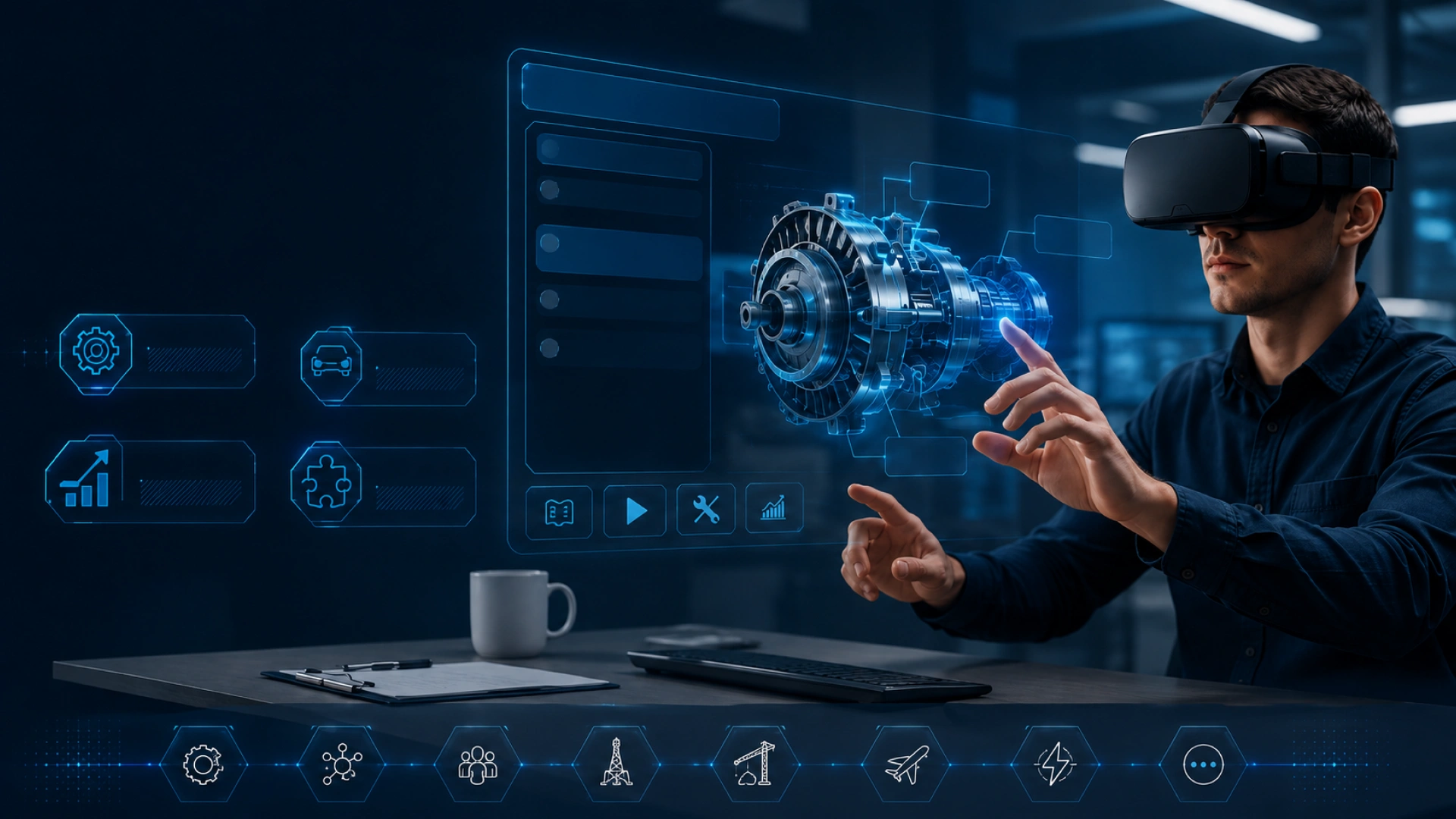
Custom VR Training Development
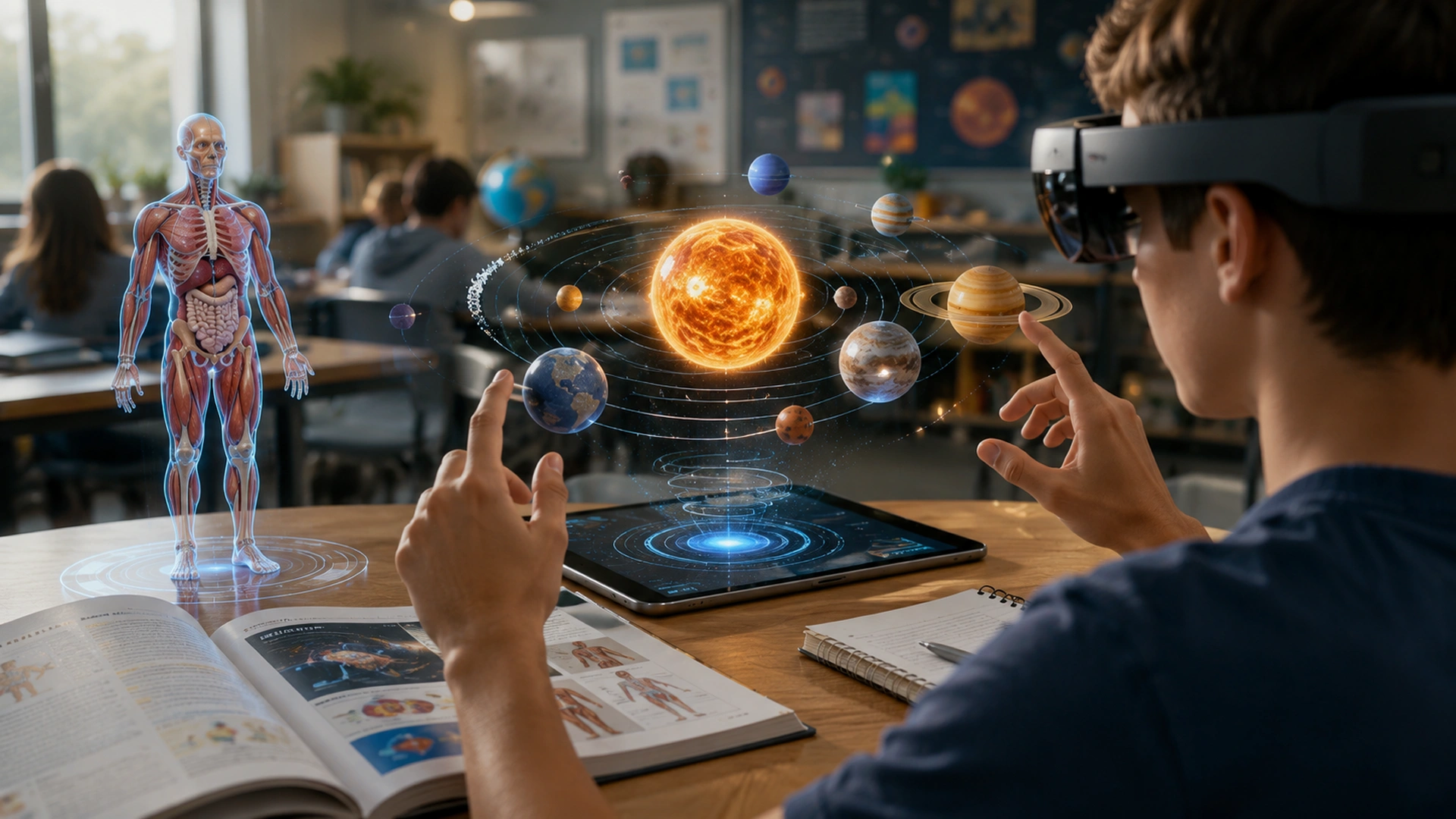
AR Learning Applications

Corporate Training & Employee Development
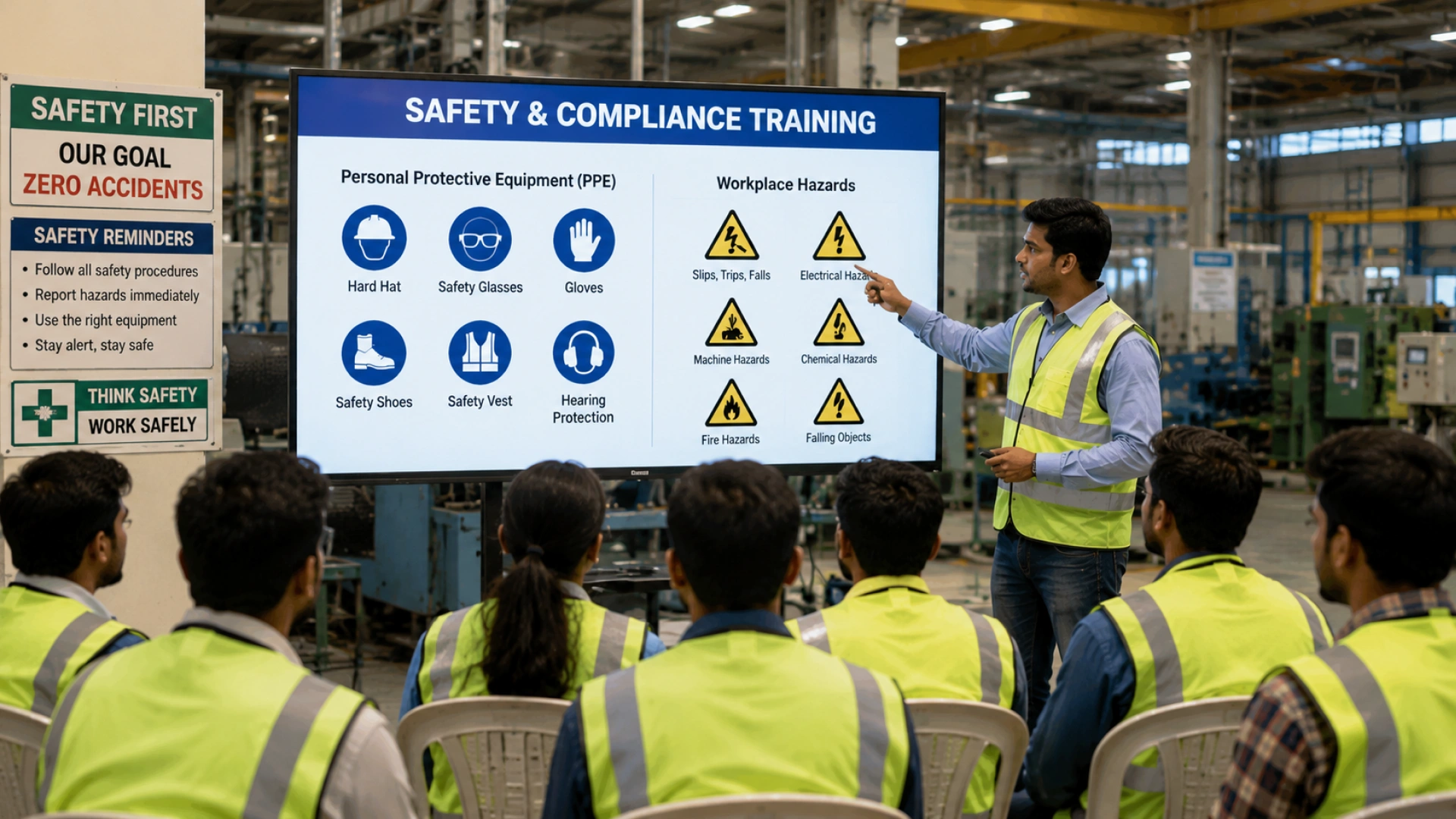
Safety & Compliance Training Simulations
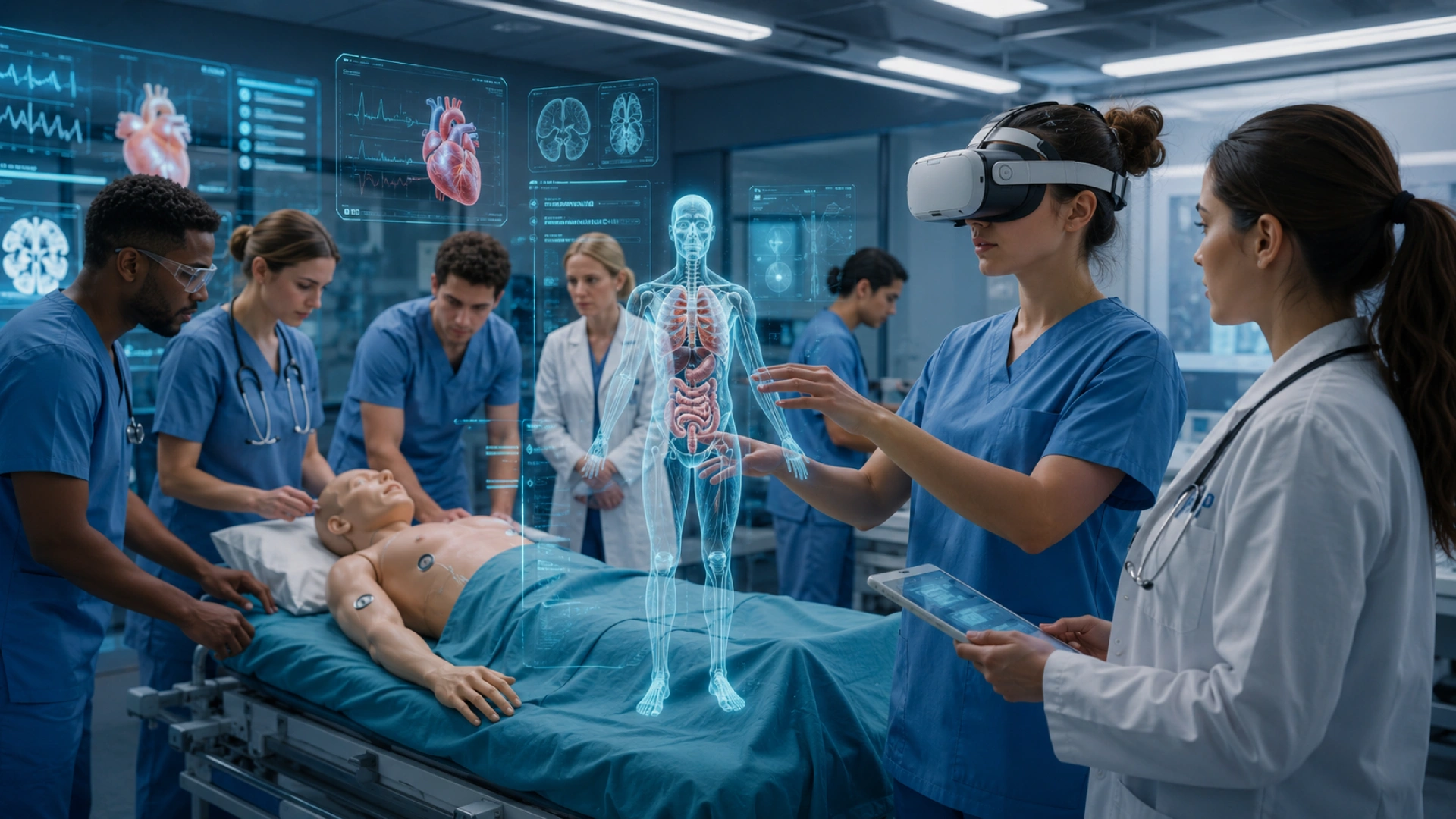
Healthcare & Medical Training Experiences
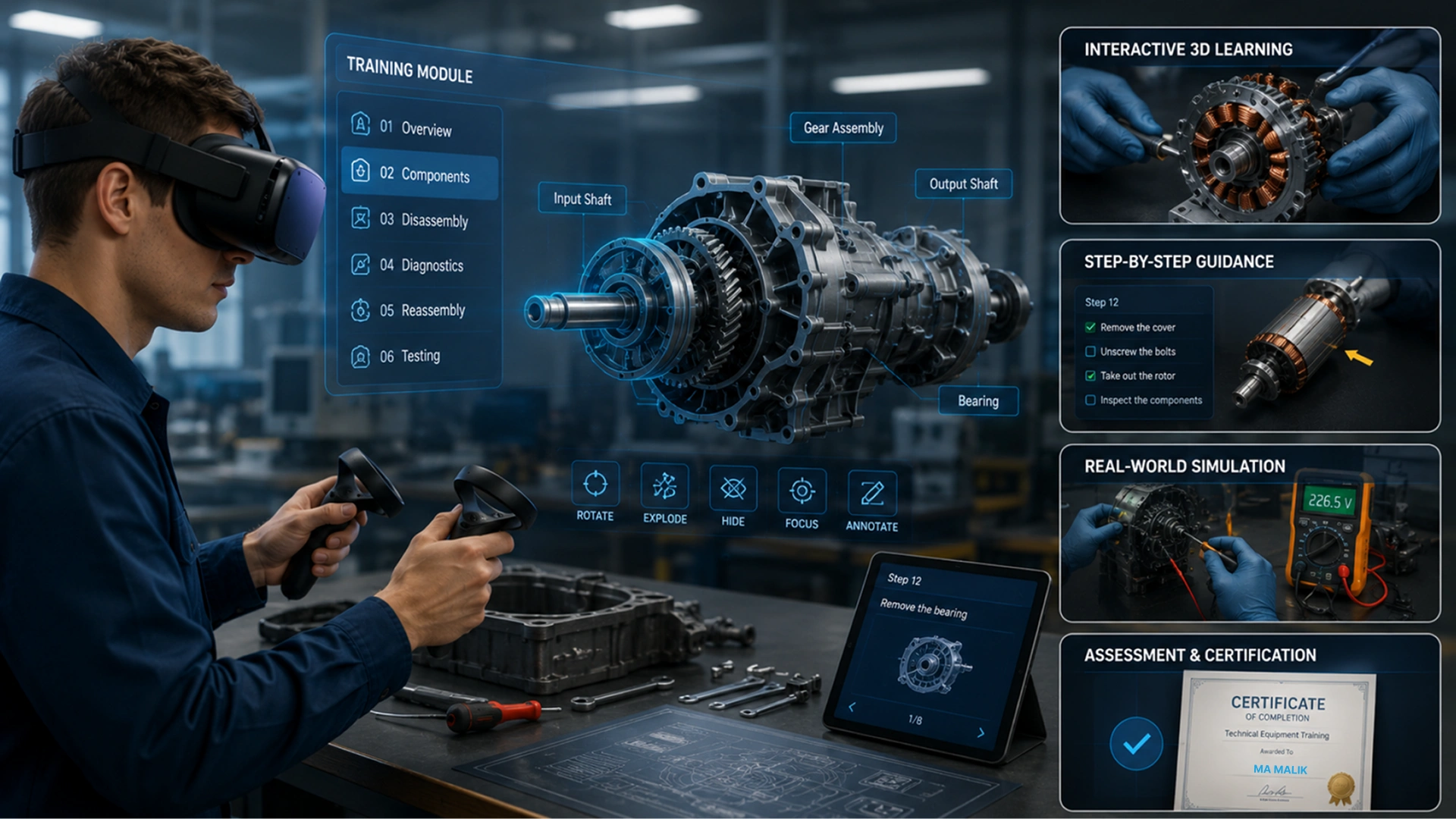
Technical Skills & Equipment Training
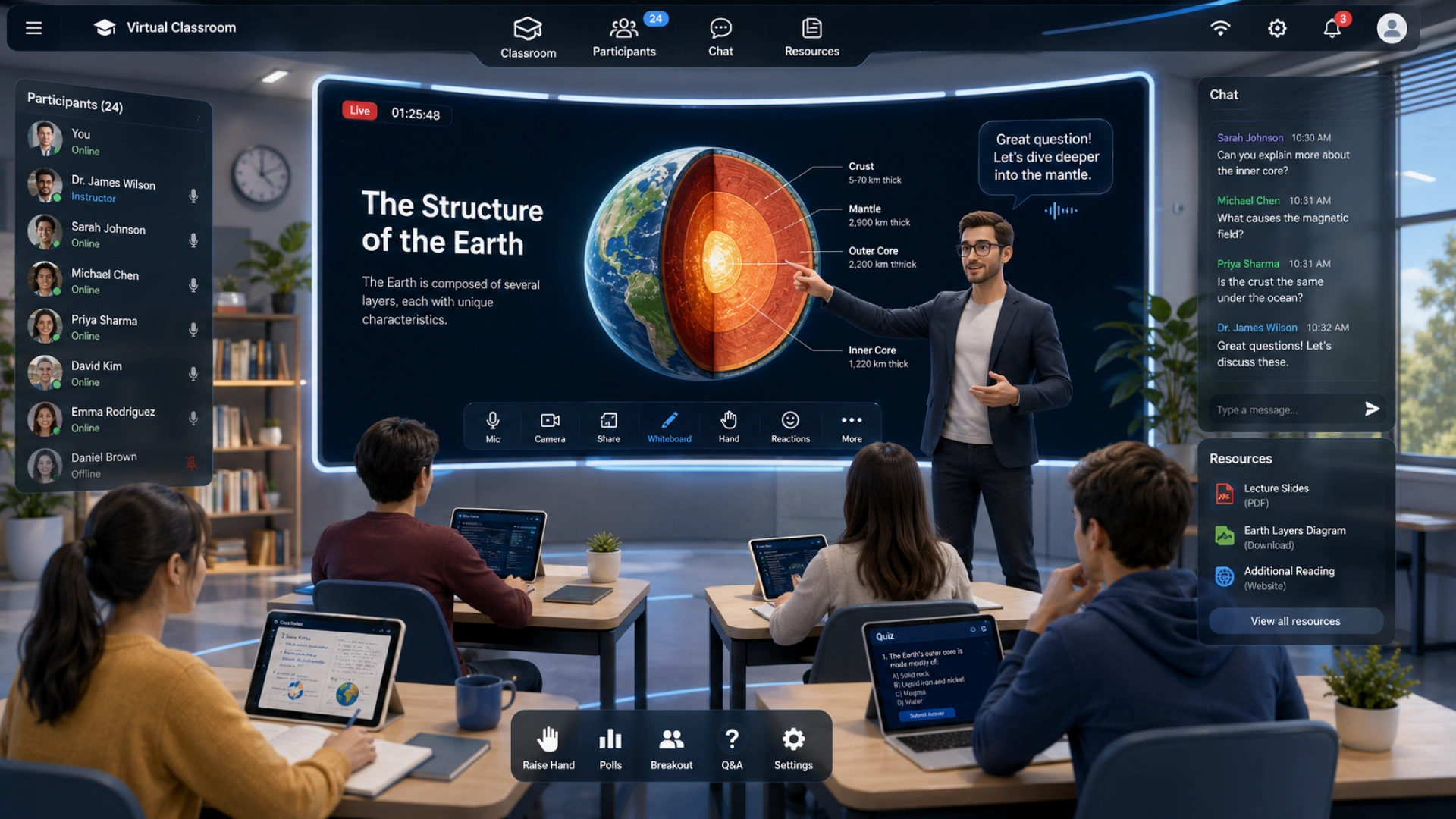
Virtual Classrooms & Interactive Learning
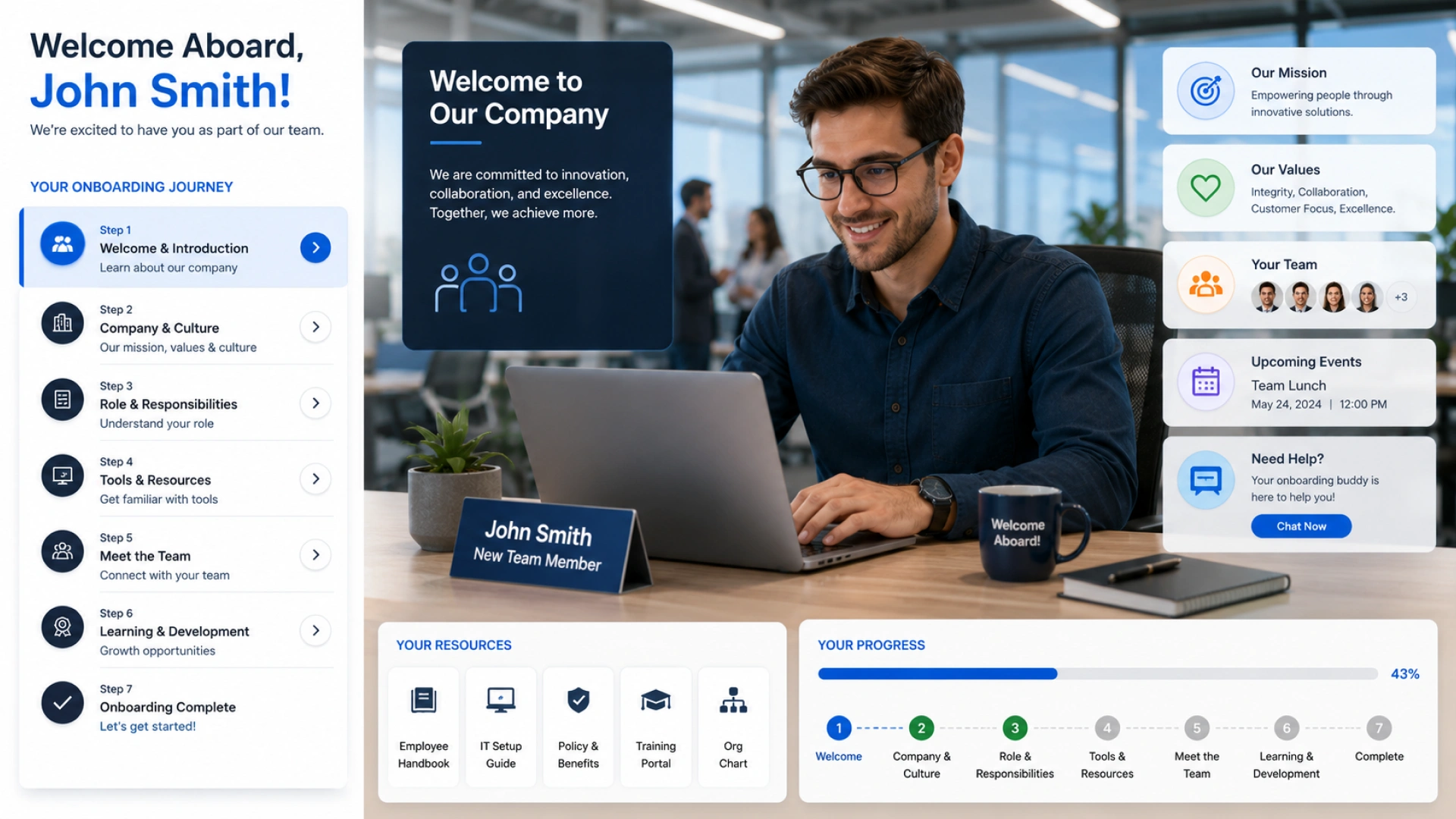
Employee Onboarding Experiences

Leadership & Soft Skills Training
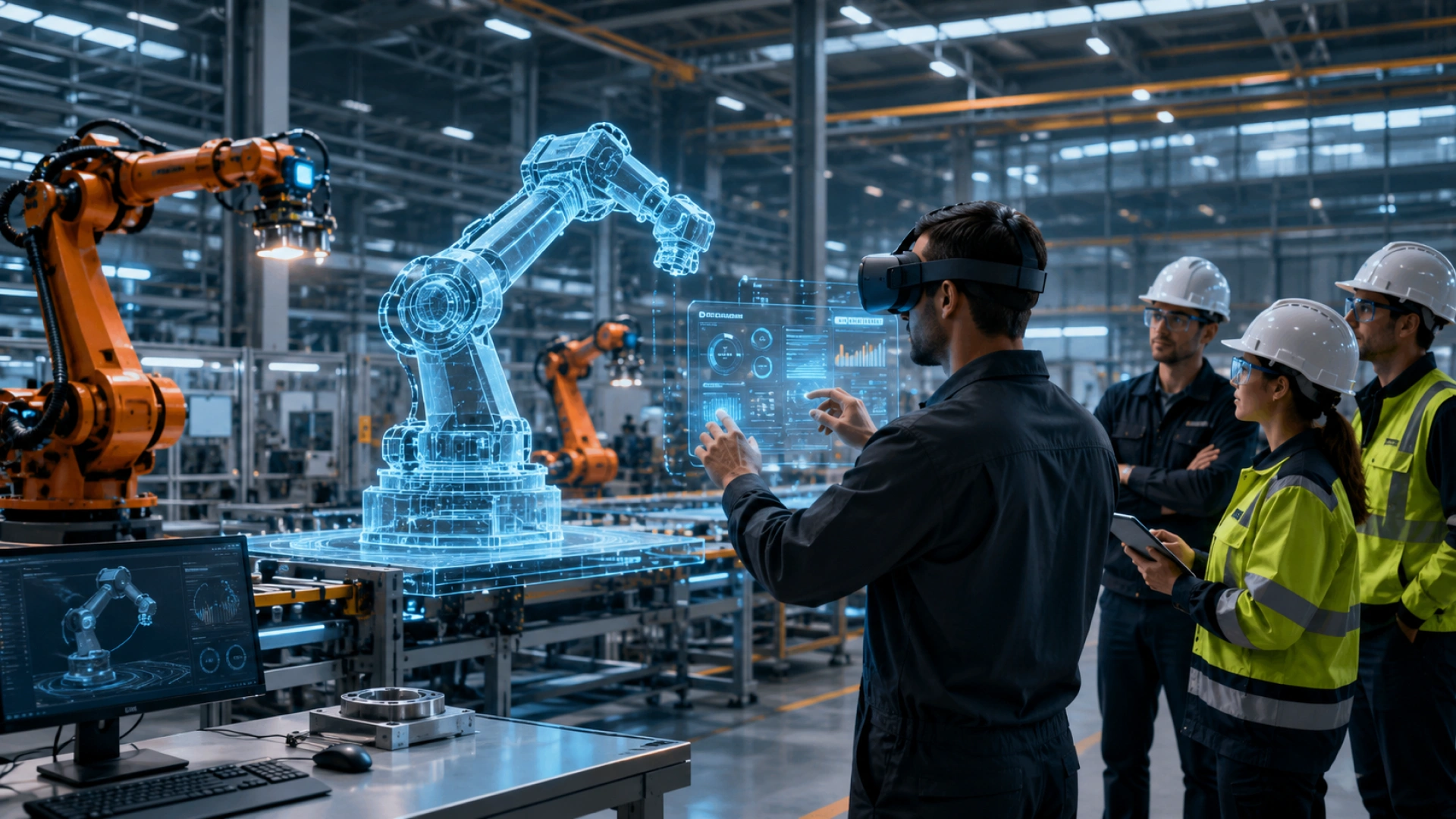
Industrial & Manufacturing Simulations
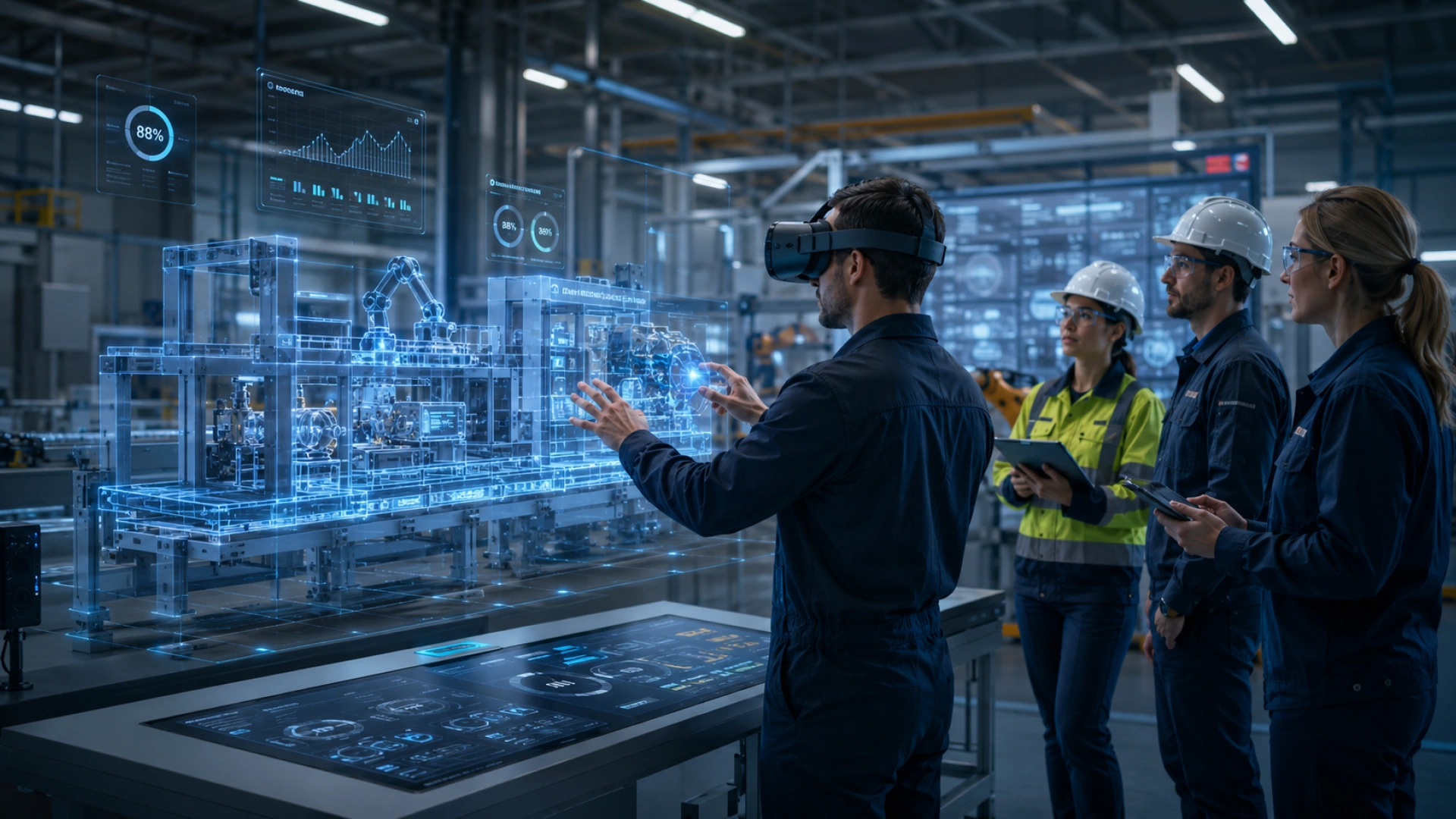
Digital Twin Training Solutions
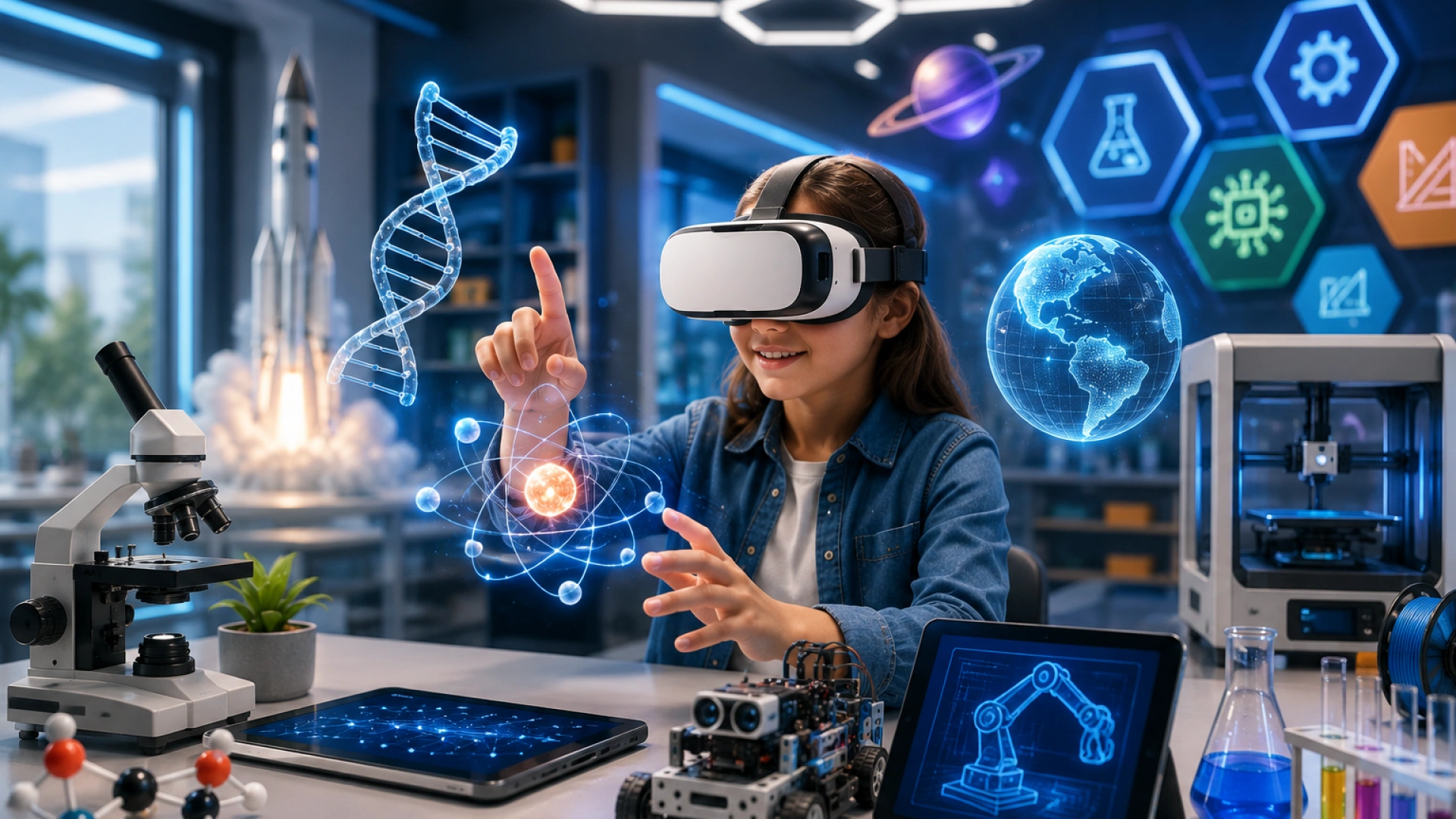
STEM Education Experiences
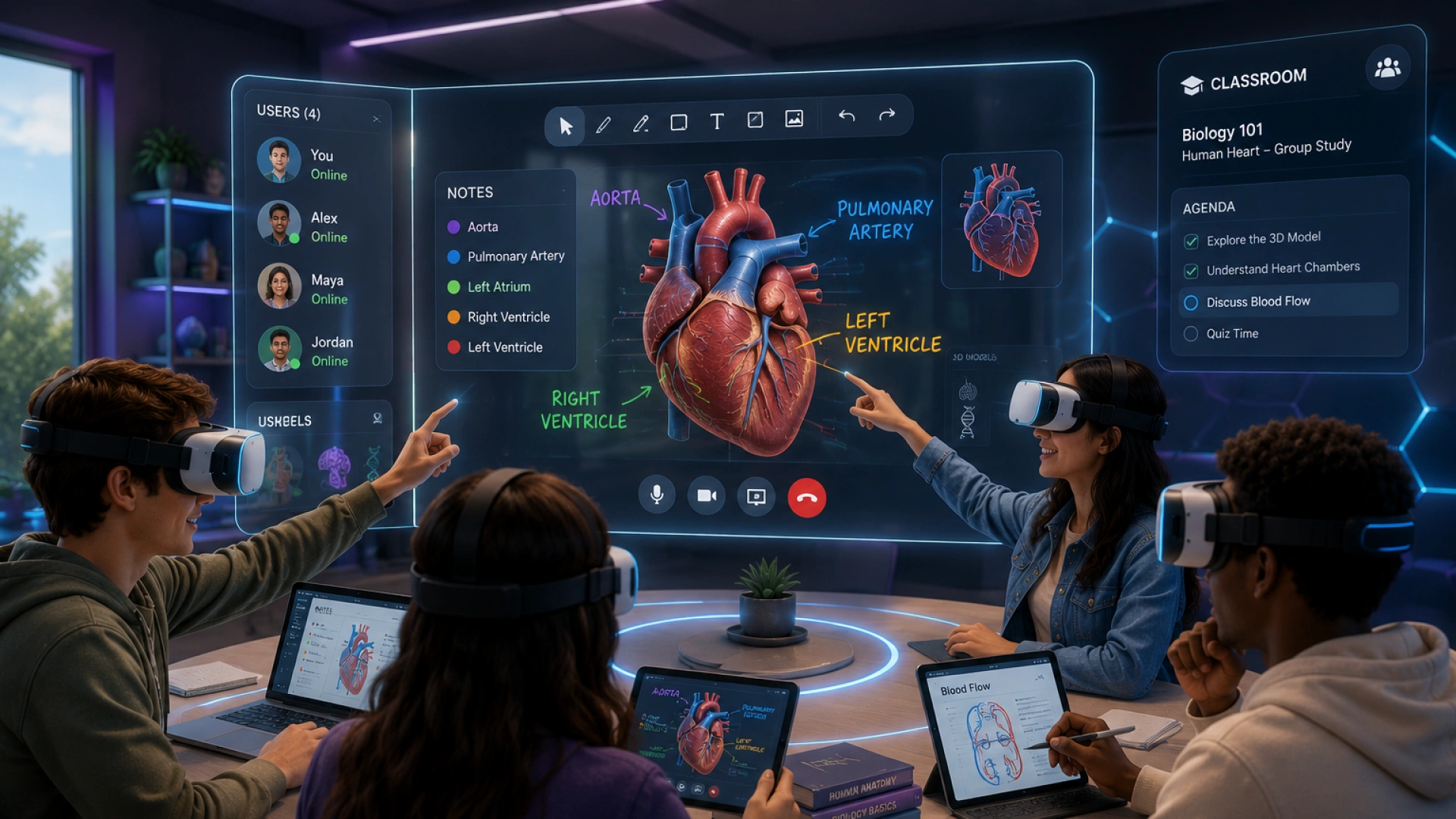
Multi-User Collaborative Learning
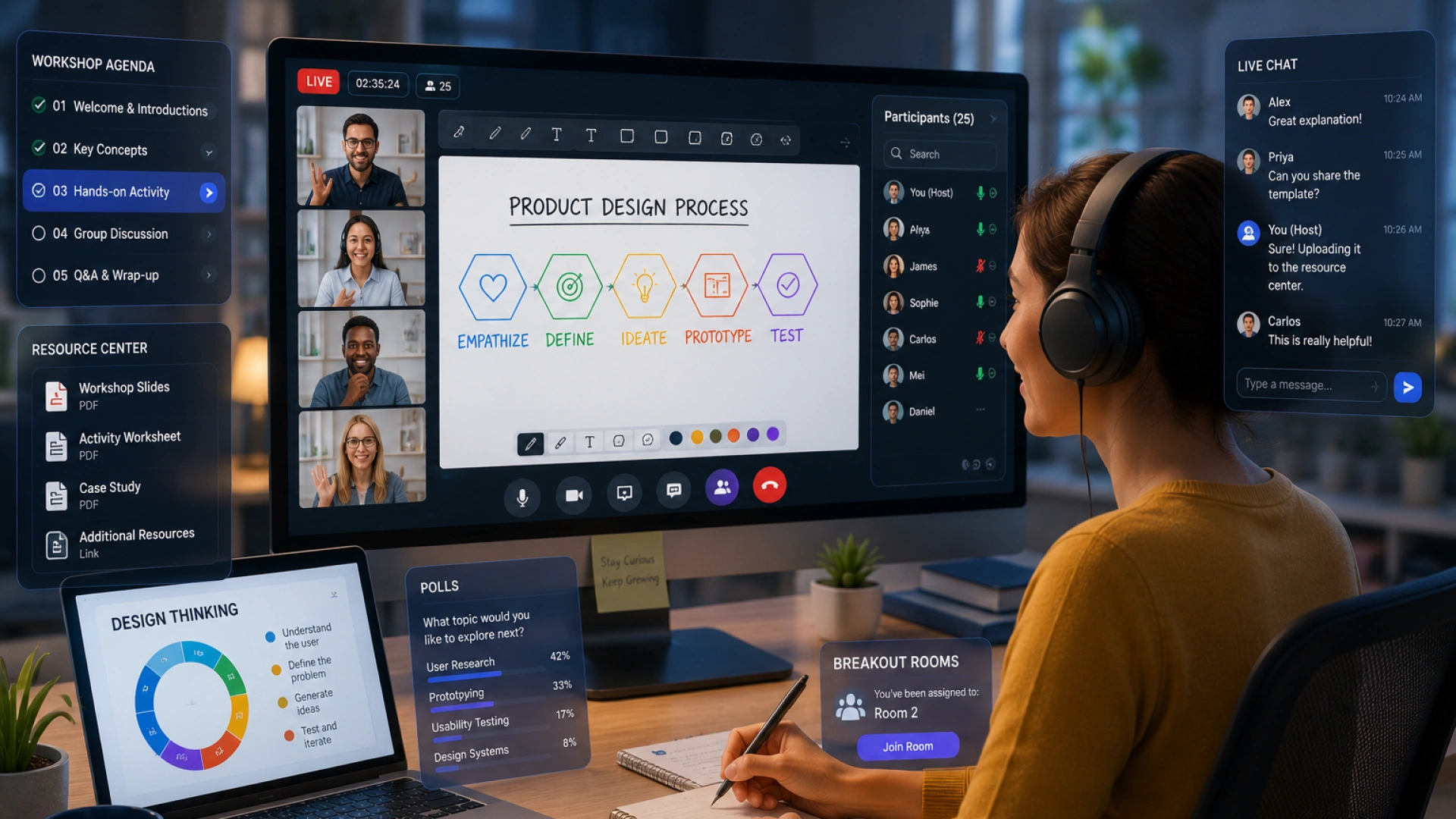
Remote Training & Virtual Workshops

AI-Powered Learning Experiences
Build Immersive AR/VR Training Experiences That Make Learning Practical
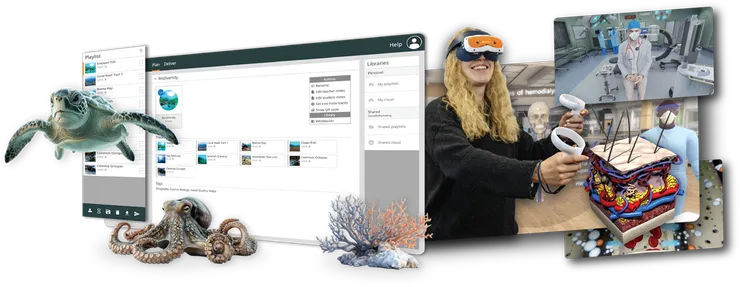
Real AR VR Training Education Experiences Built for Immersive Learning
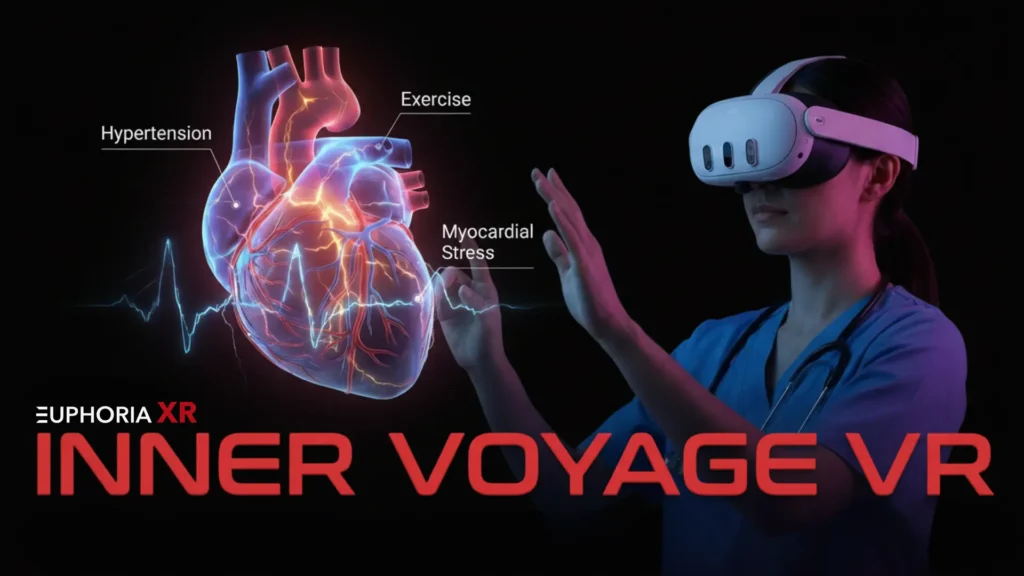
Inner Voyage VR Heart Simulation
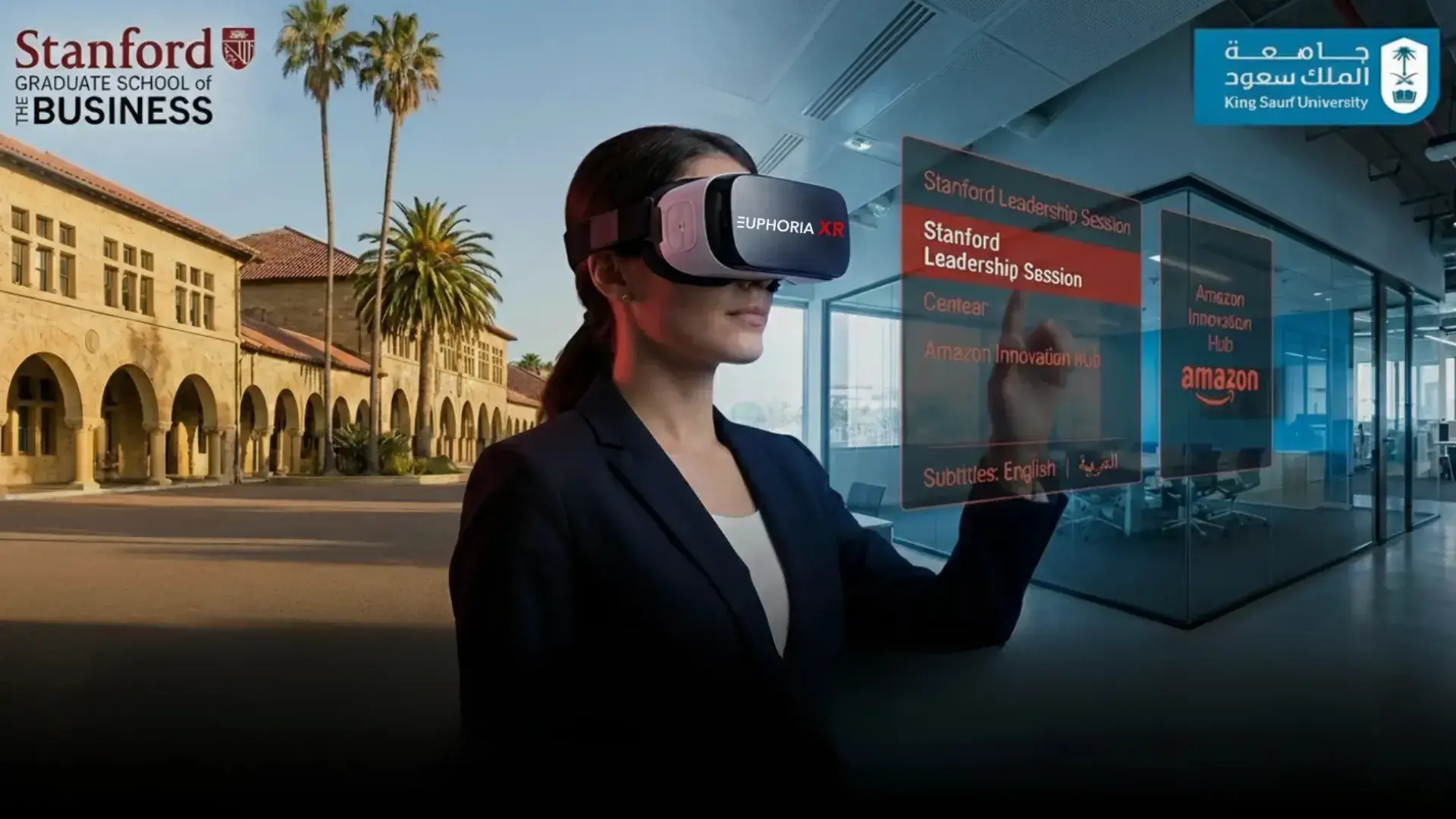
KSU Stanford VR Learning
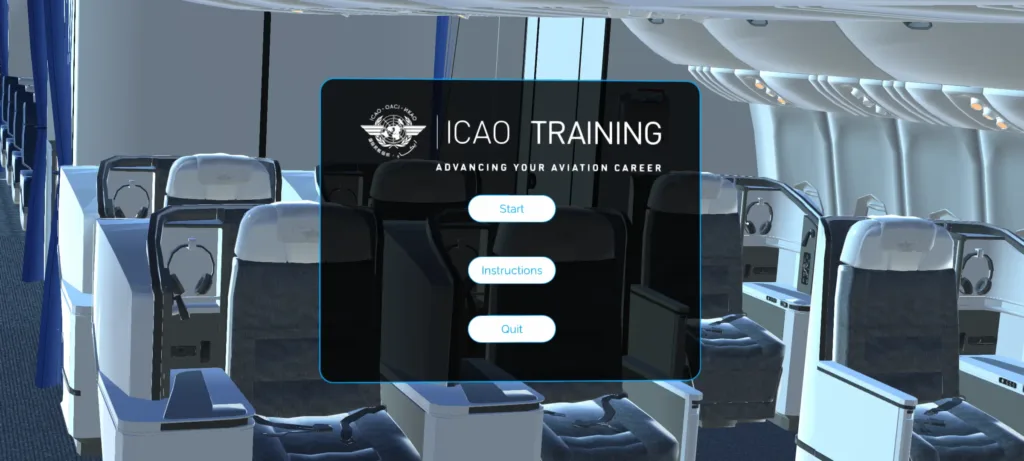
ICAO VR 360 Training
Your Roadmap to Success in AR & VR
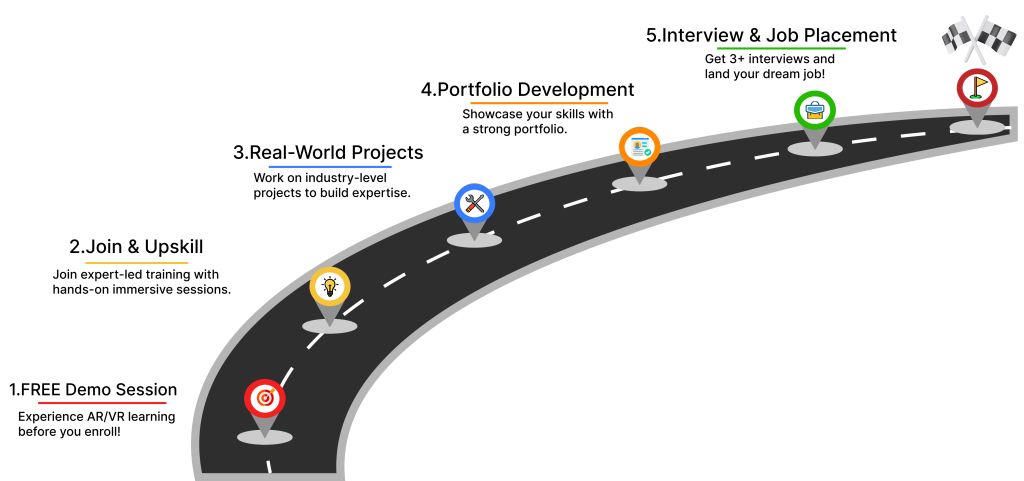
Create high-impact AR/VR Training Experiences for Real Practice
Frequently Asked Questions (FAQs)?
What is AR and VR in education?
In the educational field, AR and VR are employed to make learning more interactive by leveraging immersive technology. VR takes the learner into a three-dimensional environment to practice, explore, and learn in scenarios, whereas AR adds digital content to a real-world domain.
What is AR and VR training?
Learners can experience skills training by using interactive simulations, virtual environments, guided instructions, and real-life scenarios in AR and VR training. It is employed in learning for safety, learning for medical learning, learning skills, induction, and preparing the workforce.
Can VR be used for education?
Absolutely, VR has applications in education, including virtual classrooms, simulations, labs, virtual field trips, training, and more. It assists students in learning through experiences rather than just reading or watching a lesson.
What does AR mean in education?
The use of augmented reality in education is referred to as AR in Education. It overlays or merges 3D models, instructions, labels, animation, and/or digital objects with the real world to visually and interactively aid students and trainees in learning a concept or subject.
How is AR used in school?
To learn the basics of how it works, students use AR in schools to learn science, anatomy, history, engineering, geography, and technical subjects in an interactive, 3D way. Students can access objects and to investigate models and learn concepts more visually.
What is an example of AR and VR in education?
A case study is a medical training course, where AR is applied in the form of providing the labels of the anatomy on a real model, while VR is used to put students into a virtual operating room to learn medical procedures in a safe environment before undertaking any real clinical training.
What is an example of AR training?
Proper maintenance instructions, for instance, are an example of AR training where a tablet, phone, or AR headset displays step-by-step digital instructions, safety warnings, and part labels on real equipment to guide technicians through the process.
What are the advantages of AR in education?
In AR, user engagement is enhanced, while visual understanding, memory, and learning by doing are also benefits. Replaceable and beneficial in classes where students need to explore intricate topics with clarity or where institutions would like to make lesson plans more hands-on without losing that real classroom feel.
How do AR and VR affect education?
AR and VR provide enhanced ways to learn by doing and experiencing. They assist the learner in practicing challenging tasks, gaining understanding of abstract concepts, minimizing training risks, and building confidence before transferring knowledge to the real world.
What are the 5 components of VR?
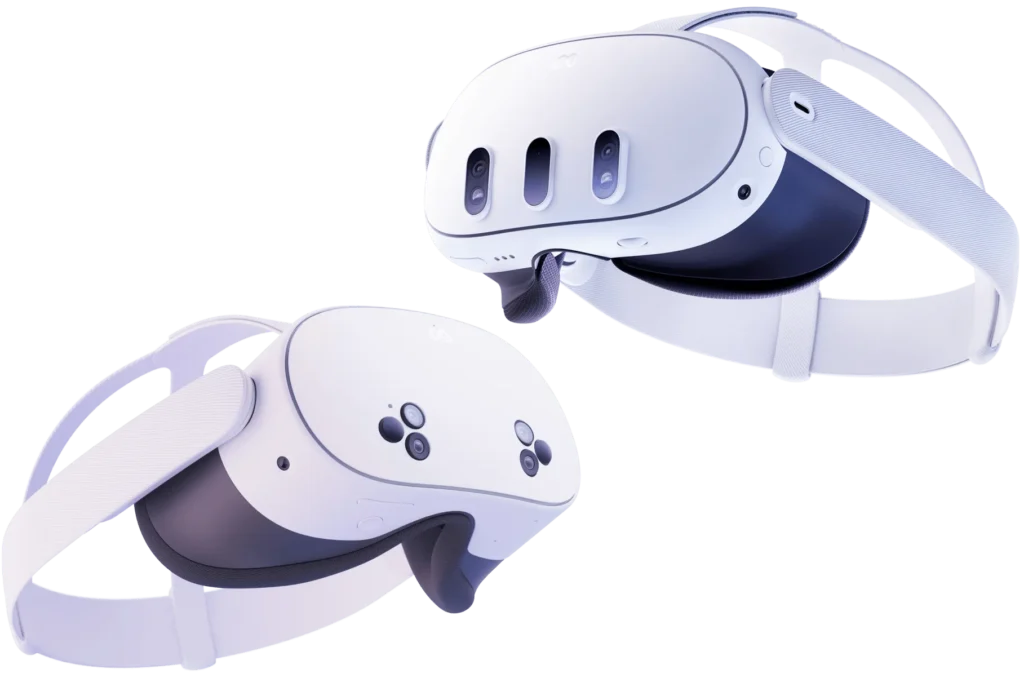
Key elements of VR consist of a VR headset or display, motion tracking, controllers or input devices, 3D virtual worlds, and interactive software that lets users move, react, and interact within the VR simulation.
Does VR require coding?
There is no requirement to code for training users or instructors with VR. But often, custom VR training experiences are off-the-shelf products that need to be developed, 3D designed, developed for interaction, tested, and, last but not least, integrated into platforms.
Educate the young minds while they are still in the classroom.
Company's Stats






Let's talk about your project
We are here to turn your ideas into reality